Entry · Ref BOAC1ZTO
Movable resin patio furniture: how hosts reshape an outdoor space
- Posted
- 2026-11-28
- Last amended
- 2026-11-28
- Account
- @thegardenseat
A patio rarely stays in one mode for long. A quiet lunch may turn into a birthday gathering, a poolside afternoon may shift into dinner, and a small space may need to welcome more people than it normally holds. Movable resin patio furniture helps because it lets the host change the layout without turning the event into a heavy planning exercise.
Resin patio chairs, along with matching lounges, benches and dining pieces, are valued in outdoor settings for being practical and easy to reposition. The point is not simply that the furniture can be dragged from one spot to another. Good movement means the space can be reset quickly, safely and neatly, whether guests are arriving, eating, swimming or settling in for a long conversation.
What makes resin furniture movable
Resin outdoor furniture is usually made from synthetic materials shaped into durable forms. In practical terms, that means a chair can be designed with a lightweight frame, a moulded seat and surfaces that are simple to wipe down. Compared with bulky wooden pieces or upholstered seating, many resin items are easier to lift, slide or group together.
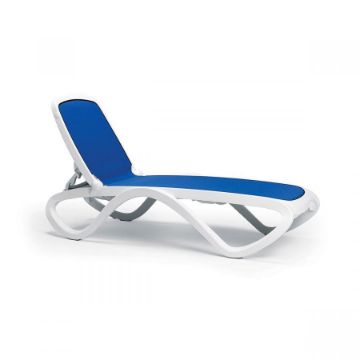
The design matters as much as the material. A chair with a stable base, a manageable weight and smooth edges is much easier to move around a patio than one that catches on the ground or feels awkward to grip. Stackable chairs can be stored close together when they are not in use, then brought out when a group grows. Benches can define the edge of a seating zone without filling the middle of the space. Chaise lounges can create a relaxed poolside section, then be shifted aside when the gathering changes tone.
Movement also depends on the surface underfoot. Pavers, decking, gravel and pool surrounds all affect how a chair feels when it is pulled into place. On smoother paving, a chair may glide with little effort. On textured surfaces, the host may need to lift rather than drag to avoid scuffing the base or catching a leg. A quick check of the feet and contact points helps keep both the furniture and the ground in good shape.
Why flexibility helps when guests arrive
A host often has to solve several space problems at once. Guests need somewhere to sit, food needs a surface, and people need room to move between the seating, the table and the entrance. A fixed layout can make all three needs compete with each other. A movable layout lets the patio respond to the day.
For example, chairs can be set in a loose conversation area before the meal, then pulled closer to the dining table once food is ready. A bench can stay along one side as steady seating while individual chairs fill the gaps. If the group includes children or older guests, the route across the patio can be kept wider by shifting seats toward the edges. These small adjustments are easier when the seating does not require a major reset.
Comfortable seating for garden parties often comes from this kind of planning, not from simply placing as many chairs as possible around a table. People want enough room to sit, eat and talk without feeling boxed in. Table clearance gives diners space to use cutlery and pass dishes, while seat spacing affects how easily guests can stand up and move. When chairs can be adjusted one at a time, the layout can be fine-tuned rather than rebuilt.
How a quick reset works in practice
The useful feature of movable furniture is that it supports small decisions during an event. A host does not need to move everything at once. One chair can be pulled closer to a shade area, another can be turned toward the table, and a lounge can be moved out of the main walking route. The result is a patio that feels looked after instead of crowded.
Start with the main activity. If the gathering centres on a meal, place the dining pieces first and leave clear paths around the table. If the day is more casual, set a few seats in a conversation area and keep serving space nearby. Poolside products can be grouped with lounges in a drier corner, leaving the route to the water open. Once the main zones are clear, extra chairs can be added where they are most useful.
This approach also helps with changing weather. A sudden breeze may make a shaded side of the patio more pleasant, while bright sun may send guests toward cover. Lightweight seating can be shifted to follow the comfortable parts of the space. Cushions, if used, should be brought in when conditions turn damp, since furniture that is easy to move is still better protected when it is not left exposed.
Matching seating to the space
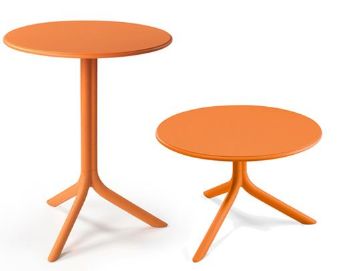
Before adding more pieces, look at how the patio is used. A dining set suits long meals, but it may take up more room than a casual gathering needs. Chairs with a standard dining height work well with a table, while lounges and low seating encourage a slower, more relaxed layout. Bench seating can make efficient use of an edge or wall, though it may be less flexible when guests want to face different directions.
Guest capacity is another practical consideration. A space can hold more seats than it can comfortably use, especially if the chairs block access to the table, steps or pool gate. It is often better to have a smaller number of comfortable places with clear movement between them than to fill every gap. Extra stackable chairs can be kept nearby and brought out only when they are needed.
Resin pieces also work well when the look of the patio needs to stay consistent. Chairs, dining furniture, benches and poolside items in a similar style can make a mixed-use area feel planned, even when the layout changes often. That consistency matters when seating is moved between zones. A chair pulled from the dining area to sit beside a lounge still looks like part of the same setting.
Comfortable seating for garden parties depends on that balance between order and flexibility. Guests notice whether they can sit down easily, reach the table and move without squeezing past crowded chairs. The host notices that the patio can be adjusted as the event changes, without a long pause while the space is rearranged.
Small checks that keep moving easy
Movable furniture lasts longer when it is handled with a little care. Lift chairs by a sturdy part of the frame instead of pulling on an arm or back. Check that the ground is clear before sliding a seat across it, especially near pool edges or steps. After an event, group pieces back in their usual positions so the next setup starts from a tidy base.
It is also worth checking how pieces sit together. Stackable chairs should nest without being forced, and cushioned seats should be dry before they are stored. If a chair wobbles, the feet may be uneven or the surface may be irregular. A quick change of position can solve the problem without any repair work. If a piece is cracked or sharply damaged, it should be taken out of use rather than pressed into service for a busy gathering.
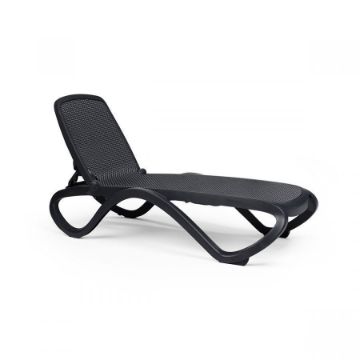
The real benefit of movable resin furniture is that it gives a patio more than one personality. It can be a dining space, a poolside retreat, a place for quiet conversation or a busy gathering area, sometimes within the same afternoon. resin patio chairs and matching outdoor pieces make those shifts simpler because the layout can follow the needs of the moment.
For hosts, that means less time spent working around fixed furniture and more time paying attention to guests. A clear path, a sensible seating group and a few pieces that can be moved without effort often do more for an outdoor event than a crowded layout. When the furniture can adapt quickly, the patio becomes easier to use, easier to tidy and more welcoming for whatever the day brings.